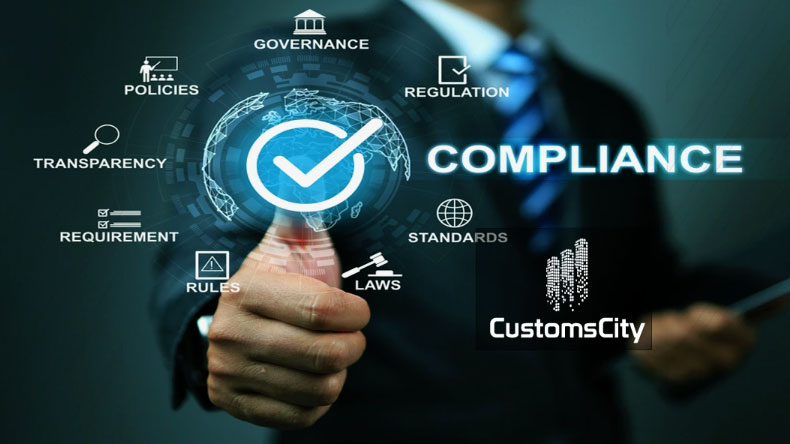
International Trade Compliance Services: A Strategic Guide for Global Business Success
In interconnected global economy, businesses face a labyrinth of regulations, sanctions, and customs requirements. Non-compliance can lead to crippling fines, shipment delays, and reputational damage. International trade compliance services provide the expertise and tools, ensuring seamless cross-border operations.
This guide explores why compliance matters, key components of effective programs, and how to implement them strategically.
Why International Trade Compliance Matters
-
Avoid Penalties: Regulatory bodies like OFAC (Office of Foreign Assets Control) and BIS (Bureau of Industry and Security) issued over $1.2 billion in fines globally in 2023 for violations.
-
Supply Chain Integrity: Compliance ensures goods move without delays, avoiding costly hold-ups at customs.
-
Reputation Protection: Ethical trade practices build trust with partners and customers.
-
Market Access: Compliance unlocks opportunities in regulated industries (e.g., defense, healthcare).
Core Components of Trade Compliance Services
1. Regulatory Monitoring & Classification
-
Export Control Laws: Classify products under frameworks like EAR (Export Administration Regulations) and ITAR (International Traffic in Arms Regulations).
-
HS Codes: Accurately assign Harmonized System codes to avoid customs disputes.
-
Sanctions Screening: Real-time checks against OFAC, EU, and UN sanctions lists.
2. Customs Compliance
-
Duty Optimization: Leverage free trade agreements (e.g., USMCA, CPTPP) to reduce tariffs.
-
Documentation Accuracy: Ensure commercial invoices, certificates of origin, and bills of lading meet local requirements.
3. Risk Management
-
Restricted Party Screening: Automatically flag high-risk entities using AI-driven tools.
-
Embargo Compliance: Navigate geopolitical restrictions (e.g., Russia sanctions, China's Entity List).
4. Training & Audits
-
Employee Education: Train teams on INCOTERMS, anti-bribery laws (FCPA/UK Bribery Act), and export controls.
-
Internal Audits: Identify gaps in processes before regulators do.
5. Technology Integration
-
Compliance Software: Platforms like Descartes or SAP GTS automate screenings, license management, and reporting.
-
Blockchain: Enhance supply chain transparency for industries like conflict minerals or pharmaceuticals.
How to Choose a Compliance Service Provider
1. Industry Expertise: Prioritize providers with experience in your sector (e.g., aerospace, fintech).
2. Global Coverage: Ensure support for all markets where you operate, including emerging economies.
3. Technology Stack: Opt for AI-powered platforms with real-time updates on regulatory changes.
4. Scalability: Solutions should grow with your business, from SMEs to multinationals.
5. Track Record: Verify success in resolving audits, customs disputes, or penalty mitigation.
Best Practices for Implementation
-
Map Your Supply Chain: Identify choke points (e.g., dual-use goods, sanctioned suppliers).
-
Centralize Data: Integrate ERP systems with compliance tools for unified oversight.
-
Partner with Local Experts: Engage in-region consultants for nuances like EU GDPR or China's PIPL.
-
Stay Proactive: Monitor geopolitical shifts (e.g., U.S.-China trade tensions, Brexit impacts).
The Future of Trade Compliance
AI & Predictive Analytics: Forecast regulatory changes using machine learning (e.g., shifting sanctions trends).
ESR (Ethical Supply Chain Reporting): Align compliance with ESG goals to meet investor demands.
Global Standardization: Initiatives like the WTO's Trade Facilitation Agreement aim to simplify processes.
Conclusion
International trade compliance is not a cost center—it's a competitive advantage. By partnering with skilled providers and adopting agile strategies, businesses can turn regulatory hurdles into opportunities for growth. Start with a compliance gap analysis, invest in training, and leverage technology to future-proof your operations.
Act Now: Non-compliance costs the average company 4.7% of annual revenue (Deloitte, 2023). Transform risk into resilience today.
This guide equips businesses to master compliance complexities, ensuring smoother operations and sustainable global expansion.



LATEST POSTS


The Movies of 2024 on Netflix
August 23, 2024
18 Home Decor Trends to Watch for in 2025
November 6, 2024
Effortless Getaways: A Guide to All-Inclusive Travel
November 1, 2024